Margaret Bradshaw, Teesdale botanist celebrates her 100th birthday and fights to save a unique flora

| Helen Dignum

This article by Alejandro Martins, in Spanish, was published on BBC Mundo (BBC World) on 12 March 2026

https://www.bbc.com/mundo/articles/cq577x1evvyo

See the English translation of the article here.
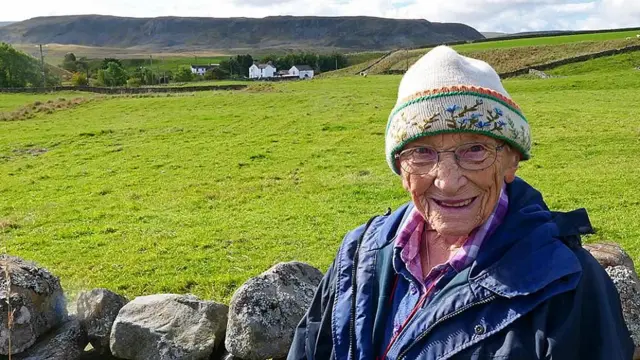
Margaret Bradshaw smiling at the camera. Behind it is a field, a farm and hills in the valley of Teesdale
In her efforts to save local wildflowers, Margaret Bradshaw created a foundation at age 93 and wrote her first book at 97. Photo: Martin Rogers
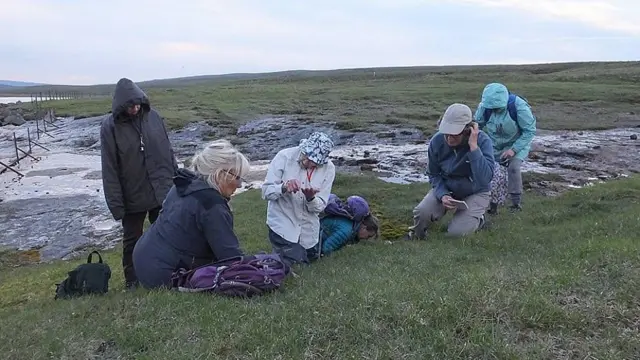
Bradshaw kneeling in the grass dialogues and teaches wildflowers to botanists and volunteers of the British Wildlife Society, Wild Flower Society, also crouched in the grass.
Bradshaw along with botanists and volunteers from the British Wildlife Society, Wild Flower Society.

British 100-year-old botany has dedicated seven decades of her life to studying and protecting the flora of the place she lives in, the Teesdale Valley in the northeast of England. It is an extraordinary flora, with a combination of plants that cannot be found anywhere else in the UK. And that it is in severe decline, Bradshaw’s investigations revealed.

But Bradshaw’s message is not limited to the Teesdale Valley. In dialogue with BBC Mundo, the scientist invited to “look at the sky”, “savour the air” and observe what surrounds us, wherever we are.
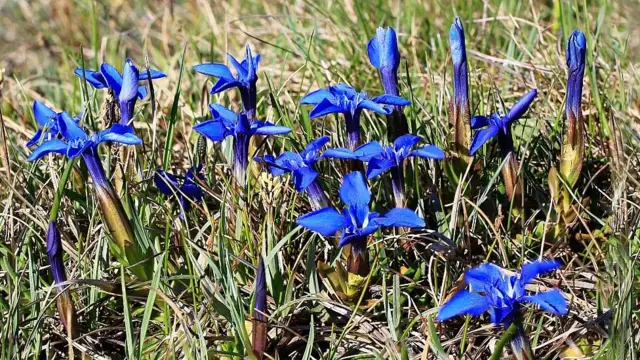
Small gitanilla flowers (Gentiana verna) grow among the grass. The small flowers of vivid blue have five petals and the white center.
The iconic flower of Teesdale, Spring Gentian (Gentiana verna).Photo: Martin Rogers
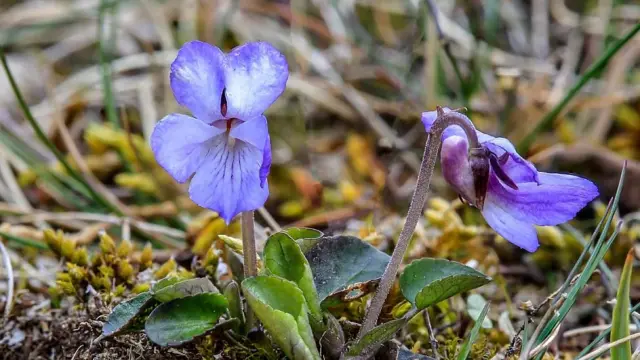
Violet of Teesdale. The small flower that grows between the grass has five violet-colored petals with the white center.
Violet of Teesdale (Viola rupestris). Photo: Martin Rogers

Our newsletter

Sign up to receive The Wild Flower Society updates.
It’s the best way to stay up-to-date with all of our news.


Sign up